Optimizing Sleep: The Executive's Secret Weapon
By Theo Jones, FNP-BC, MSN • 2/18/2026
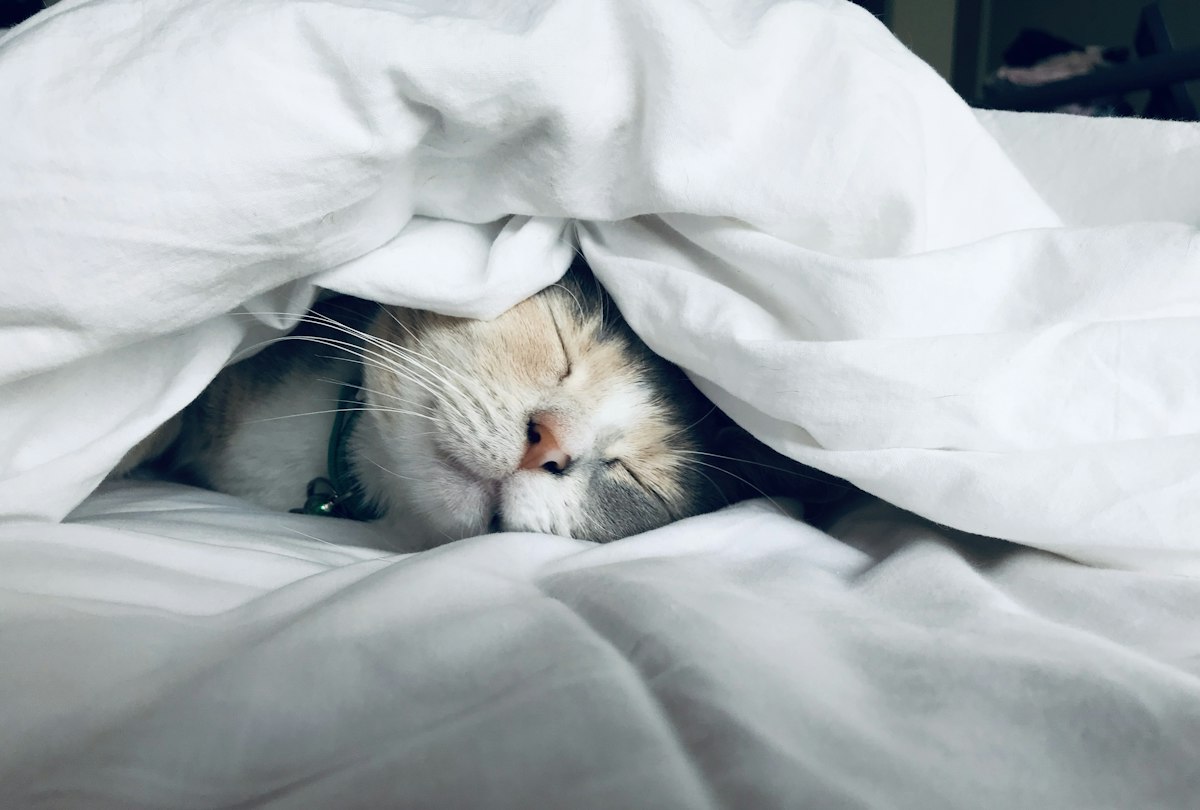
Optimizing Sleep: The Executive's Secret Weapon
If you're sacrificing sleep to get ahead, you're actually falling behind. Research consistently shows that sleep deprivation impairs decision-making, creativity, and leadership effectiveness—the very skills that define executive success.
The True Cost of Poor Sleep
Executives often wear sleep deprivation as a badge of honor. But the data tells a different story:
- Cognitive Decline: Even one night of poor sleep reduces cognitive performance by 30%
- Decision-Making: Sleep-deprived leaders make riskier, less strategic decisions
- Health Impact: Chronic sleep loss increases risk of heart disease, diabetes, and obesity
- Productivity Loss: Poor sleep costs the U.S. economy $411 billion annually
Understanding Your Sleep Architecture
Quality sleep isn't just about hours—it's about sleep cycles:
The Four Stages:
- Light Sleep (N1): Transition from wakefulness
- True Sleep (N2): Body temperature drops, heart rate slows
- Deep Sleep (N3): Physical restoration and immune system strengthening
- REM Sleep: Memory consolidation and emotional processing
Executives need adequate deep sleep for physical recovery and REM sleep for strategic thinking and creativity.
Science-Backed Sleep Optimization Strategies
1. Master Your Sleep Environment
Temperature: Keep your bedroom between 65-68°F (18-20°C) Darkness: Use blackout curtains or a quality sleep mask Noise: Consider white noise machines or earplugs Mattress: Invest in quality—you spend a third of your life here
2. Create a Wind-Down Ritual
Your brain needs a transition period:
- 90 minutes before bed: Stop work-related activities
- 60 minutes before: Dim the lights and reduce screen time
- 30 minutes before: Begin your relaxation routine
3. Optimize Your Sleep-Wake Schedule
Consistency is key:
- Same bedtime and wake time: Even on weekends
- Sleep inertia management: Wake at the end of a sleep cycle (multiples of 90 minutes)
- Strategic napping: 20-minute power naps if needed, not longer
4. Nutrition and Sleep
Avoid:
- Caffeine after 2 PM
- Large meals within 3 hours of bedtime
- Alcohol (despite feeling relaxing, it disrupts sleep architecture)
Consider:
- Magnesium supplementation
- Tart cherry juice (natural melatonin)
- Complex carbohydrates at dinner
5. Manage Stress and Racing Thoughts
Executive minds don't easily switch off:
- Brain Dump: Write down tomorrow's tasks before bed
- Meditation: 10 minutes of mindfulness reduces sleep latency
- Breathing Exercises: 4-7-8 breathing technique activates parasympathetic nervous system
Advanced Sleep Optimization
Tracking Your Sleep
Wearable devices provide insights into:
- Sleep duration and quality
- Heart rate variability (HRV)
- Sleep stages
- Respiratory rate
Medical Interventions
If optimization strategies aren't enough:
- Sleep Study: Rule out sleep apnea or other disorders
- Cognitive Behavioral Therapy for Insomnia (CBT-I): Most effective long-term treatment
- Medication: When appropriate, under physician guidance
The Weekend Whitecoat Sleep Protocol
Our approach to executive sleep optimization:
- Comprehensive Assessment: Sleep history, habits, and potential disorders
- Wearable Integration: Track objective sleep data
- Personalized Protocol: Tailored to your schedule and physiology
- Follow-Up Optimization: Continuous refinement based on data
- Medical Support: Sleep studies and treatments when needed
The Bottom Line
Sleep isn't a luxury—it's a performance enhancer. Every hour of quality sleep is an investment in your cognitive function, health, and leadership effectiveness.
Stop sacrificing sleep. Start optimizing it.
Questions about your own health?
Whitecoat Private founding memberships are still open. We review every application personally.
Apply for Membership